Concrete Resurfacing Fort Mill SC for Renewed and Durable Surfaces
Concrete Resurfacing Fort Mill SC for Renewed and Durable Surfaces
Blog Article
Hard-wearing and Elegant Flooring Coating Solutions for All Need
Durable and elegant floor coating solutions meet a range of needs in both residential and commercial spaces. The choice of materials can greatly affect not just appearance, but also performance and longevity. Considerations such as foot traffic and environmental conditions play an important role in the selection process. Knowing these elements can lead to better choices. Yet, with so many options available, how does one determine the most suitable solution?
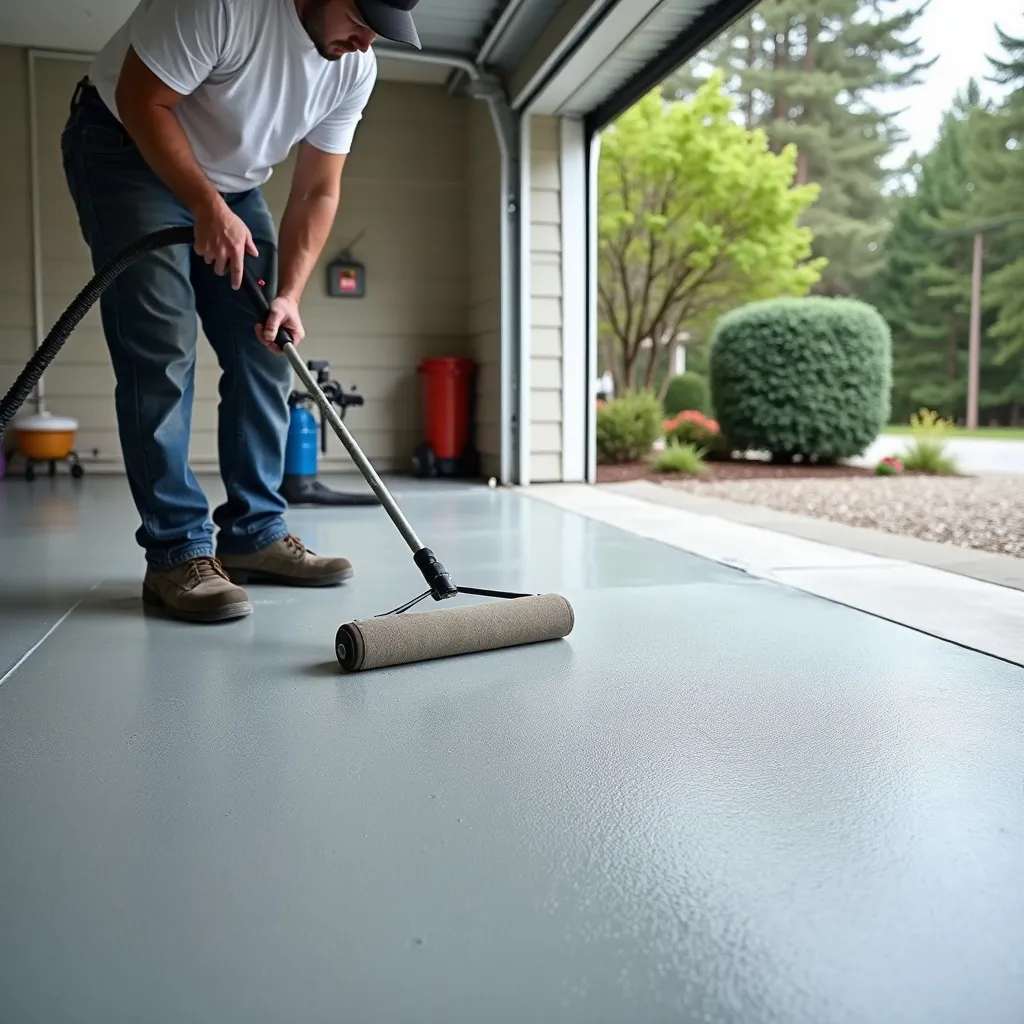
Selecting the Perfect Surface Treatment for Your Space
What method can one use to select the most fitting floor coating for a specific environment? Picking the correct floor coating requires careful consideration of diverse factors. First, one must assess the space's role; residential areas may prioritize aesthetics, while industrial settings might focus on durability and safety. Next, understanding the foot traffic levels is vital, as coatings differ in resilience. Environmental conditions, including moisture and temperature fluctuations, also play a major role in coating selection.
Also, the substrate composition beneath the coating can influence compatibility and adhesion. For example, concrete surfaces may need specific sealers or primers. One must also assess maintenance requirements; some coatings necessitate regular upkeep while others offer minimal-care options. Financial constraints are just as important, as costs can differ substantially among materials. Ultimately, a thoroughly informed choice requires striking a balance between functionality, aesthetics, and cost-effectiveness to realize the desired outcome.
Most Tough Floor Coatings Perfect for High-Volume Areas
In congested spaces, the selection of floor coating significantly impacts durability and maintenance. Epoxy floor coatings are known for their strength and capacity to withstand heavy use, while polyurethane options provide adaptability and resistance to chemical damage. Understanding the benefits of these options is essential for ensuring long-lasting performance in challenging environments.
Epoxy Floor Coatings
Epoxy floor coatings represent a dominant option for high-traffic areas due to their remarkable toughness and resilience. Constructed using a blend of epoxy resins and hardeners, these coatings form a durable surface that can handle heavy foot and vehicle traffic without revealing wear and tear. The continuous installation method reduces joints and seams, lowering the risk of water infiltration and mold growth. Additionally, epoxy coatings exhibit impressive resistance to chemicals, stains, and impacts, making them suitable for industrial, commercial, and residential environments. Their glossy finish enhances aesthetics while delivering slip resistance, supporting safety. Overall, epoxy floor coatings present a practical and visually appealing solution for spaces needing long-lasting performance.
Urethane Floor Solutions
Polyurethane floor solutions emerge as a prime contender for environments that require superior resilience and resilience. These coatings are especially well-suited for high-traffic areas, such as commercial spaces, warehouses, and industrial facilities. Their strong composition provides superior protection against wear, chemicals, and UV exposure, guaranteeing long-lasting performance. In addition, polyurethane coatings provide flexibility, enabling them to withstand impacts without cracking or peeling. The visual quality of these solutions is equally significant, as they are offered in various finishes and colors, enhancing the overall ambiance of any space. Moreover, their simple upkeep renders them a sensible option for busy environments, reducing downtime and upkeep costs. As a result, polyurethane floor solutions emerge as an ideal choice for demanding applications.
How to Pick Trendy Floor Coatings That Complement Your Space?
Selecting the appropriate flooring finish can substantially enhance the aesthetics and functionality of a space. Initially, assessing the room's purpose is essential; busy areas may require durable options, while more ornamental spaces can focus on appearance. Color schemes and design themes should direct your choice; soft hues often create versatility, while bold colors can make a striking statement.
Texture occupies an essential position; glossy finishes can impart a modern flair, while matte options may bring warmth and coziness. Contemplating lighting is vital, as different coatings can reflect light differently, determining the overall ambiance. Lastly, maintenance requirements should not be overlooked; some coatings demand more maintenance than others.
Ultimately, working with professionals can provide valuable insights into the most suitable options ideal for specific environments, assuring a harmonious blend of style and practicality in any decided upon floor coating.
Premium Eco-Friendly Floor Coatings for Sustainable Living
Environmentally responsible floor coatings present numerous strengths, featuring reduced environmental effects and boosted indoor air quality. Diverse sustainable materials are available, each providing unique advantages for varied applications. Mastering application advice can likewise enhance the longevity of these coatings, solidifying a substantial role in sustainable living.
Perks of Sustainable Coatings
As the demand for environmentally responsible living increases steadily, the benefits of green floor coatings become increasingly evident. These coatings often consist of natural materials and non-toxic formulations, reducing pollutants and supporting better indoor air quality. Their durability provides long-lasting performance, reducing the need for frequent replacements and thereby lessening environmental impact over time. Additionally, eco-friendly coatings can enhance energy efficiency by reflecting light and maintaining ideal temperatures within a space. Furthermore, many of these products are biodegradable, guaranteeing that they do not contribute to landfill waste. By opting for sustainable options, consumers not only back a healthier environment but also invest in stylish, high-quality flooring solutions that align with their values of sustainability and responsible living.
Premier Green Substance Alternatives
The growing emphasis on earth-conscious living has sparked an investigation of various eco-friendly floor coating options. Biological materials such as bamboo and cork have risen in favor due to their sustainable nature and minimal environmental impact. Moreover, water-based polyurethane products are celebrated for their low volatile organic compound (VOC) emissions, making them a more suitable choice for living areas. Flooring comprised of recycled rubber also emerges as a green alternative, utilizing reclaimed materials while providing durability and comfort. Likewise, plant-sourced epoxies are increasingly embraced for their sustainable attributes, combining strength with a reduced environmental footprint. These sustainable choices not only enhance the aesthetic appeal of spaces but also contribute positively to the planet, conforming to the growing demand for intentional living solutions.
Guidelines for Longevity Submissions
To apply eco-friendly floor coatings, diligent attention to detail is necessary to secure lasting results. Correct surface preparation is critical; this involves cleansing and repairing any flaws to promote optimal adhesion. One should keep track of temperature and humidity levels because they greatly affect drying and curing. Utilizing high-quality applicators such as rollers and brushes helps to better the finish and ensure even application. It is advisable to apply several thin coats rather than a single thick layer to reduce bubbling and improve longevity. Following the manufacturer's guidelines, it is essential to permit adequate drying time between coats. Lastly, routine maintenance that includes cleaning with gentle, eco-friendly products will extend the coating's life and preserve its visual appeal.
Cost-Effective Flooring Alternatives
Plenty of homeowners hunt for economical flooring options that furnish both toughness and visual beauty. Vinyl plank flooring has grown in popularity due to its water resistance and variety of styles, resembling natural wood or stone at a lower cost. Laminate flooring demonstrates a equivalent look, exhibiting a durable surface that resists marks and impressions, making it suitable for high-traffic areas.
In addition, cork flooring is an nature-friendly pick, known for its comfort and insulation properties. It is also safe to mold growth, optimal for wet environments. For those on the hunt for an even more inexpensive solution, painted concrete can transform a basic slab into a stylish floor, allowing for creative designs.
These choices not only fit within budget constraints but also provide the required durability to endure everyday use and damage, demonstrating that quality flooring can be available without sacrificing style.
Installing Your New Floor Coating Guide
Putting in a new floor coating requires meticulous planning and close attention to ensure a lasting finish. First, the current surface must be completely scrubbed to remove dust, dirt, and any contaminants. This may involve sweeping, vacuuming, and mopping. Once the surface is clean, any cracks or imperfections should be repaired to confirm a even foundation.
Next, the appropriate base coat should be employed, tailored to the distinct form of layer chosen. Following the undercoat's drying time, the actual floor treatment can be laid using a roller and brush, making certain consistent distribution. It is essential to follow the producer's recommendations regarding application thickness and drying duration.
When the initial coat has hardened, a second layer could be necessary for added durability. Finally, allowing enough drying time before significant use is vital to sustain the integrity of the fresh coating application.
Helpful Recommendations for Keeping Your Floors Looking Fantastic
Following successful installation of a new floor coating, maintaining its appearance is a priority. Daily cleaning is necessary; daily vacuuming or sweeping removes dirt and debris that can scratch the surface. For more thorough cleaning, using a pH-neutral cleaner with a damp mop ensures the coating's finish stays protected without causing damage.
In addition, placing mats at entryways reduces the quantity of dirt tracked onto the floors. It is advisable to avoid harsh chemicals and abrasive tools, as they can wear down the coating over time. Spills should be wiped up promptly to avoid staining.
In addition, routine inspections for wear patterns can help catch defects before they worsen. If called for, administering a new application of sealant can rejuvenate the floor's appearance and extend its lifespan. By following these straightforward maintenance tips, one can confirm that their floor coating maintains presentable and operational for years to come to come.

Questions That Are Often Asked
What Period Should You Anticipate with Different Floor Coatings?
Multiple coating options typically persist between five to twenty years, based on the material and usage. For instance, epoxy can last up to ten years, while polyurethane may endure up to twenty with proper maintenance.
Is it possible to put Floor Coatings Over Existing Flooring?
Yes, get going floor coatings can commonly be applied over existing flooring, if the surface is clean, dry, and in good condition. Correct preparation is important to guarantee adhesion and longevity of the new coating.
Which Maintenance Procedures Are Essential for Different Floor Coatings?
Maintenance for floor coatings differs: epoxy demands regular cleaning and occasional re-coating, while polyurethane needs mild cleaning without strong chemicals. Vinyl coatings need basic sweeping and mopping to preserve their appearance and longevity.
Do Floor Coatings Pose Any Health Risks?
Certain floor coatings could present health risks, such as respiratory issues or skin irritation, mainly due to volatile organic compounds (VOCs). Proper air flow and adherence to safety protocols can reduce these possible dangers during use and application.
How Do Temperature and Humidity Impact Floor Coating Effectiveness?
Temperature and humidity significantly affect floor coating performance. High humidity may prolong cure duration, while extreme temperatures can impact bonding and hardening speeds, potentially leading to reduced longevity and visual quality over time.
Report this page